
Drones have undergone a massive change in the past decade. This has been brought about by the rapid advancements in technology and innovative applications. While they were once restricted to recreational use drones are now playing crucial parts in commercial, industrial mapping, heavy-lift operations.
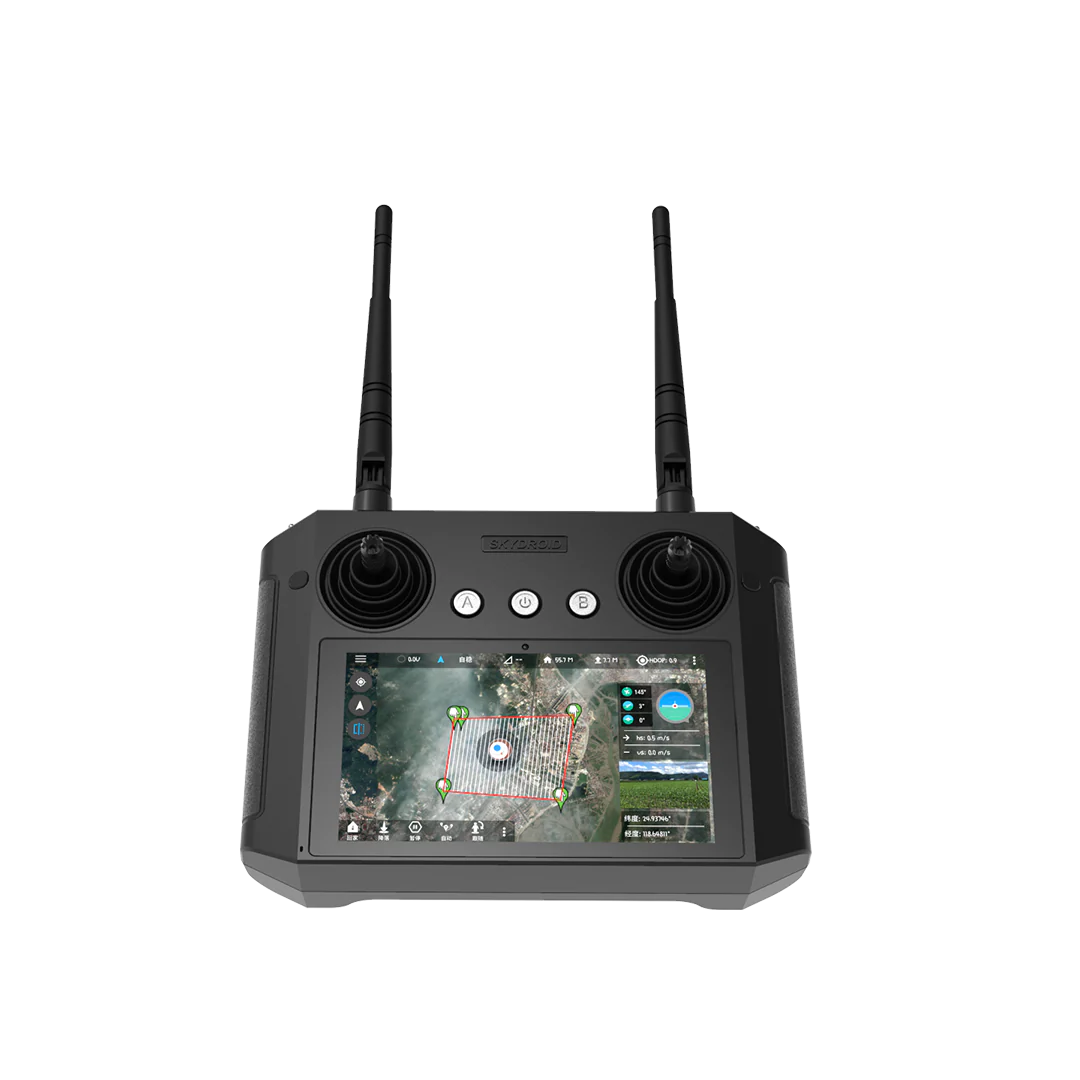
Image credit: rcdrone.top
Industrial drone is redefining workflow in a demanding environment by offering unmatched precision, efficiency, and safety. These drones are indispensable in the fields of mining, construction, or energy.
Unmatched Capabilities:
The design is made of ultra-durable material to withstand extreme weather conditions, including high winds and heavy handling.
Advanced Sensors: Integration LiDAR, gas detection and thermal imaging sensors to accurately gather data in a variety of scenarios.
Automated Operations: Able to perform automated inspections and surveys in hazardous areas, with a minimum of human intervention.
Reduce the cost and amount of time associated with traditional methods of monitoring and inspection.
Key Applications:
Monitoring structural quality of pipelines, bridges and offshore platforms.
Assessing environmental impact in industrial zones.
Performing volumetric analysis in open-pit mining.
In replacing manual inspections by drone technology, businesses can reduce risk and enhance results in operations.
Commercial Drones can help streamline business processes
Commercial drones have revolutionized ways businesses operate by providing new solutions that improve effectiveness and provide outstanding outcomes. They are utilized in a variety of industries, including logistics, agriculture, and real estate.
FlexibleFunctions:
Smart Agriculture: Multispectral imaging is a tool to measure soil conditions, monitor crop health, and even detect irrigation inefficiency.
Dynamic Marketing: Take high-quality aerial photos for tourism and real estate as well as film production.
Delivery is quick and efficient Drones can be utilized to deliver items in urban or rural areas.
Value-Driven Insights:
Advanced imaging and data analysis tools provide businesses with actionable insights to optimize workflows and improve customer satisfaction.
Commercial drones have become strategic tools for companies to stay competitive in a constantly changing market.
Mapping Drones – Setting new standards for precision
Mapping drones produce accurate maps and high-resolution models. They’re thus extremely valuable in the field of urban planning as well as environmental research.
Cutting-Edge Technology:
LiDAR and photogrammetry Accuracy unmatched in topographic measurement as well as volume measurements.
High-Resolution Imagery: Capture intricate details of terrains and infrastructure at low elevations.
Real-Time processing allows immediate access to vital data when projects are time-sensitive.
Applications across Industries
Urban landscapes as well as design for the transport network.
Monitoring habitats for wildlife and ecosystems.
Assessing damage and planning resources for the recovery process.
Due to their ability to rapidly map out difficult terrain and accurately, drones mapping are transforming how we perceive and interact with the world.
Drones for Heavy Lift – Redefining Aerial Logistics
Heavy lift drones are developed to carry heavy payloads and are revolutionizing logistics, construction, and emergency response scenarios.
Robust Features:
High Payload: able to transport loads ranging from construction materials to medical equipment.
Precision Navigation: GPS, artificial intelligence and an obstacle detection system with the ability to deliver accurate information.
Custom Payload Adaptability: Tailored designs that meet the specific requirements of industry that range from providing human assistance to deploying equipment.
Examples of Uses:
Transporting tools and heavy equipment over vast construction sites.
Deploying critical supplies during emergencies or natural disasters.
Assisting in remote infrastructure development projects.
The undiscovered heroes in modern logistics are heavy lift drones, which help bridge the gap between efficiency and accessibility.
The Future of Drones: Where Innovation Meets Possibility
Drones are set to grow quickly, and new applications and trends are on the way.
Future Trends
Swarm Technology: Teams of drones working collaboratively to finish large-scale projects efficiently.
AI and Machine Learning – Enhancing decision making, navigation and obstacle avoidance capabilities.
GPS-Denied navigation- Expanding the drone’s capabilities underground or in areas with a lot of obstructions.
Expanding the Applications
Health Care Delivery: Drones are used to transport organs, vaccines and medical equipment to remote areas.
Sustainable efforts include tracking wildlife, monitoring deforestation and assessing the impacts of climate change.
Education and research: Revolutionizing the ways scientists and researchers investigate difficult-to-access areas.
Conclusion
Drones are crucial to the development of modern solutions. They could change the way we think about logistics and can even aid in conserving the environment. Industrial Drones, Commercial Drones, Mapping Drones, and Heavy Lift Drones have proven their utility across various industries, paving the way for many more creative applications.
As technology improves drones are poised to take on a larger role in tackling global issues and offer solutions that can be expanded for both industries and society as a whole. These incredible machines are set to revolutionize technology, and offer new possibilities.